An aging, reclusive Southern belle plagued by a horrifying family secret descends into madness after the arrival of a lost relative.

Mary Astor
Jewel Mayhew

Wesley Addy
Sheriff Standish

William Campbell
Paul Marchand

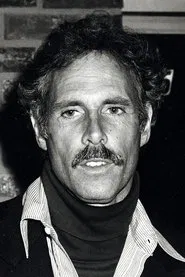
Bruce Dern
John Mayhew

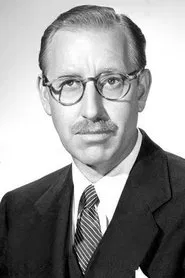
Frank Ferguson
Newspaper Editor
Glorious Southern Gothic Delirium. Hush…Hush, Sweet Charlotte is directed by Robert Aldrich and written by Henry Farrell and Lukas Heller. It stars Bette Davis, Olivia de Havilland, Joseph Cotton, Agnes Moorehead, Cecil Kellaway and Mary Astor. Music is by Frank De Vol and cinematography by Joseph F. Biroc. It’s 1927, the Louisiana plantation home of Sam Hollis (Victor Buono), and Charlotte Hollis (Davis) is having an affair with a married man, John Mayhew (Bruce Dern). After a heated argument between Sam and John, John is brutally slain by an unseen assailant, only Charlotte appears on the scene covered in blood. Then it’s the present day and just Charlotte and her house keeper, Velma (Moorehead) live at the Hollis mansion, Sam having passed away many years ago. Charlotte is mentally scarred from the echoes of the past, she’s a recluse and seen by the townsfolk as the local mental case. As developers try to plough a road through the Hollis home, Charlotte sends for her cousin Miriam (Havilland), but then strange things start happening and Charlotte might once and for all tip over the edge. A bit long at 2 hours 13 minutes and a bit too bonkers at times, Hush…Hush, Sweet Charlotte still comes out as glorious Guignol entertainment. The setting is perfect, a Baton Rouge locale of whispering trees and ominous foliage, the Hollis mansion a place of dark secrets, shadowy halls and mental disintegration. Biroc’s black and white photography seems to revel in the misery and emotional turmoil that blows about the place, and the brilliant Aldrich unleashes delirious turns from Davis and Moorehead as the others play perfectly restrained foil. There’s a strong mystery element driving the plot forward, because what we think is true may not actually be the case? The narrative deftly reveals back stories as film progresses, hints at means and motives dangle tantalisingly in the Gothic tinged air, and then the finale doesn’t disappoint, it has some surprises in store and closes the picture down handsomely. Best served with a good helping of Sour Mash, Hush…Hush, Sweet Charlotte is Southern Gothicana with bells on. Or should that be Belles? 8/10
9/10: a glorious, theatrical Southern Gothic thriller held together by Davis's eyes and Moorehead's silence, and one whose maddened heroine looks, through modern eyes, less like a Gothic cliché. Robert Aldrich's follow-up to *What Ever Happened to Baby Jane?* arrived with its own now-legendary backstage drama involving Davis, Crawford, and an eleventh-hour recasting, but that story is better left for the Hollywood rags. What Aldrich and cast finally produced is something closer to theatrical performance than to naturalistic cinema. And, thank heavens, it is glorious. Davis and company perform in an exaggerated style that reaches the back row of a theater better than the close-up camera, all tremor and eye expressions and gesture, but oh, Bette's eyes are something! Really, it's the kind of magnificent excess that belongs to the tradition of old Paris' Grand Guignol. This particular genre of films would eventually earn the wonderful, cruel nickname "hagsploitation". It is certainly dated, yet it has aged the way Dickens seems dated next to John Irving or Toni Morrison, which is to say it belongs to an entirely different and equally valid way of telling a story. The adjustment required of a modern movie-goer is small, and the reward is considerable. Agnes Moorehead's Velma is the true marvel of the picture, a performance built entirely on withholding in a film otherwise constructed from spectacle. She gives away nothing, and once every secret has surfaced, you realize she never lied. It is the kind of supporting performance that drives the whole mechanism of this great thriller. And the plot itself deserves a word beyond its twists, because underneath the cleaver and the severed hand sits a genuinely old and truely political story - the one about a woman declared mad so that others can profit. It is worth remembering that the disease of "hysteria" did not vanish from the American Psychological Association's diagnostic manual (DSM) until 1980, and was always used on women. It means Charlotte Hollis, the character, was still within living memory of most of this film's original audience before "hysteria" stopped being applied to lock women up. Watching the film in that light, the plot reads less like Gothic contrivance and more like a diagnosis that, thankfully, the feminist movement has helped to cure.